

Binding Services
We offer a comprehensive book binding service. Take a look at the different types of binding we offer. Or call us on 01202 828877 for our recommendations on the most appropriate binding for your project.

Perfect binding
Perfect binding is done by collating all the pages together, grinding 3mm off the spine edge and then a flexible adhesive attaches the paper cover to the spine. Paperback novels are one example of perfect binding.
Booklets and most magazines use perfect binding methods. Compared to other binding methods, perfect binding is quite durable and has a low to medium cost. It can be used with publications that are several inches thick.
Case binding
(soft and hard covers)
Case binding is created by sewing or glueing the pages into a book block and then attaching them to a separate outer cover, known as the case. The case is usually made from rigid board covered with cloth, printed paper or another durable material, giving the finished book a strong, premium appearance. Hardback books are a common example of case binding, although soft case options are also available.
Case binding is one of the most durable binding methods and is ideal for books that need to withstand regular handling while maintaining a high-quality finish. It is often used for manuals, commemorative books, annual reports, art books and other publications where presentation and longevity are important. Compared to softer binding styles, case binding offers a more substantial feel and a highly professional result.


PUR binding
PUR (polyurethane reactive) glue is the most durable binding glue available, offering design flexibility for any number of applications, including catalogues, instruction manuals and art books. PUR adhesives differ from conventional EVA hot melts; once cured, the adhesive's higher molecular weight provides a tough, pliable bond that is resistant to temperature extremes. The page pull strength of a PUR-bound book is more than 2.5 times that of a standard perfect-bound book using EVA adhesive.
Burst Binding
Burst binding is performed by removing small slots from the spine of the text at the folding stage; no grind off margin needs to be added in the spine, like perfect binding. The adhesive flows through the slots to give added strength to the book. It is most important that the slot removal operation is performed correctly and consistently during the folding stage.


Thread-sewn Binding
Thread sewing (otherwise known as section sewing) is created by sewing through the spine of each signature with a single thread, thus enhancing the strength and quality of the book and enabling it to lay flat open. Typically, section sewing is applied for books that require heavy usage for an extended period, such as textbooks, catalogue & brochures, library books, and religious publications. When looking for the most durable binding method for soft-cover books with heavy coated stock, a thread-sewn soft cover is the way to go.
Top tips when planning your next thread sewing job:
-
All sections must have a 10mm lap edge on the front half of each section.
-
Folded sections must not have any perforations on the spine edge.
-
Printing lay and position of print on sheets must be uniform on all sections.
-
When sections are folded, they must all be the same size head to tail.
-
All sections must have collation marks printed in the correct sequence on the spine of each section.
-
16pp or 8pp sections are required for sewing; if printing 4pp sections, please contact us to discuss the position.
Ribbon-in Binding
Ribbon-in binding is created by inserting one or more ribbon markers into the spine of the book during the binding process, allowing the finished book to include a practical and elegant page marker. The ribbons are secured neatly into the head of the spine and can be produced in a range of colours to complement the cover or branding of the publication. Ribbon markers are often used in journals, presentation books, diaries and premium-bound publications.
Ribbon-in binding adds both functionality and a high-quality finishing detail to a book, making it especially suitable for publications that are intended to be used regularly or kept for a long time. It is often chosen for corporate books, commemorative editions, manuals, notebooks and religious publications where presentation matters as much as usability. Compared to standard boun


Swiss Binding and Swiss OTA Binding
Swiss binding is created by attaching the book block to the back cover only, leaving the spine exposed as part of the design. This gives the finished book a modern, distinctive appearance and makes the binding structure a visible feature in its own right.
Swiss binding is often used for art books, catalogues, portfolios and other high-end printed pieces. Compared to more traditional binding methods, it offers a contemporary look with a strong, practical finish.
Swiss OTA binding
Swiss OTA binding is similar to Swiss binding, with the cover sitting away from the spine to leave it exposed. This creates a striking open-back appearance and gives the finished publication a premium, crafted feel.
Swiss OTA binding is well-suited to brochures, art publications, presentation books and luxury printed pieces. Compared to standard cover-attached styles, it offers a more unusual and design-led finish.

Naked Binding
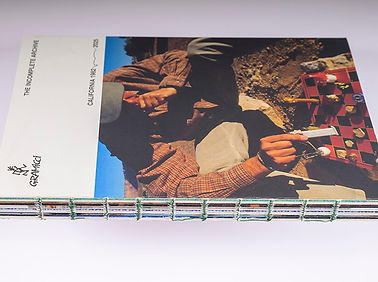
Naked binding is created used a sewn book (and not a PUR or perfect) created by binding the pages together without adding an outer cover, leaving the spine and book block fully exposed. This allows the structure of the binding to become part of the finished look, giving the publication a simple, modern and stripped-back appearance. Naked binding is often used where the raw construction of the book is intended to be a design feature.
Compared to more traditional covered binding methods, naked binding offers a distinctive and contemporary finish while still providing a practical bound format. It is often used for art books, portfolios, sample books and creative printed pieces where presentation is an important part of the overall design. The exposed structure gives naked binding a unique character and a more tactile, handcrafted feel.
Flexi Binding
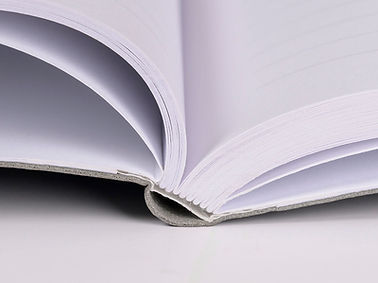
Flexi binding is created by attaching the book block to a flexible cover that offers the look and quality of a hardback with more of the suppleness of a soft cover. It is usually produced using lightweight boards or specialist cover materials, giving the finished book a premium appearance while allowing it to remain easier to handle than a traditional case-bound book.
Flexi binding is often chosen for publications that need to combine durability with a softer, more elegant feel. It is well suited to diaries, journals, presentation books, premium notebooks and special editions where both appearance and practicality are important. Compared to standard hardback or paperback options, flexi binding offers a distinctive finish that feels refined, modern and high quality.
Head and Tail Bands
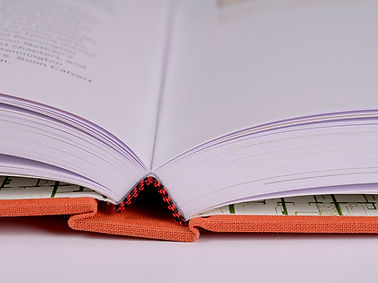
Head and tail bands are decorative textile strips affixed to the top and bottom edges of a case-bound book’s spine. Traditionally, they helped reinforce the spine and protect the ends of the book block, but today they are most often used as a refined finishing detail. Available in a range of colours and styles, head and tail bands can complement the cover material, add contrast, and give the finished book a more crafted, premium appearance.
Quarter-Bound Binding
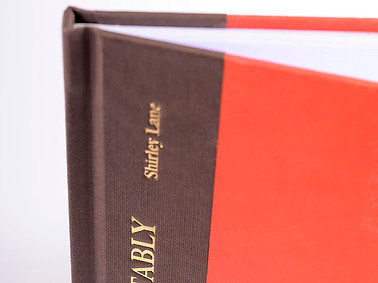
Quarter-bound books are created using two different cover materials, with one material applied to the spine and another used across the front and back boards. This gives the finished book a distinctive, crafted appearance and allows contrasting textures, colours or finishes to be combined in one design. Quarter binding is often produced by hand and is particularly well suited to smaller quantities, special editions, presentation books and creative projects where a more individual finish is required.
Binding for Restaurant Menus
Restaurant menu covers can be produced as case-bound covers with a durable, reusable format, making them ideal for menus that need to be updated regularly. Sheets can be added or replaced using rivets, screws or an expandable band, allowing restaurants to refresh seasonal dishes, pricing or drinks lists without replacing the whole cover. This creates a practical, long-lasting and premium-looking menu solution that is well suited to restaurants, hotels, cafés and hospitality venues where presentation and flexibility are both important.
